Students will explore Earth's energy forms, from solar to fossil fuels, learning about sustainability and environmental impact with clear explanations and stunning visuals.
Engage students with an animated video explaining tsunami formation, impact, and preparedness. They will gain a comprehensive understanding of these powerful natural phenomena and their global effects.
Students explore plate tectonics, investigating boundary types, driving forces like convergent/divergent movements, and plate movement rates. They will understand Earth's dynamic crust.
Students will explore fascinating butterfly adaptations through an engaging video. They'll discover how these creatures protect themselves and attract mates using camouflage and mimicry.
Engage students as they explore evolution's five core components: population effects, non-random mating, mutations, gene flow, and adaptations. They will grasp how these factors shape species change.
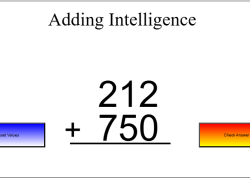
Help students master three-digit addition with an interactive tool. They solve new, randomly generated problems, building confidence and strengthening essential math skills.
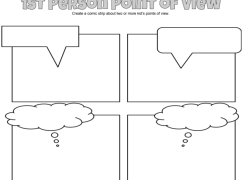
Engage 3rd graders creating a 1st-person comic strip. Students use dialogue and illustrations to tell a character's story, developing writing and artistic skills. They'll finish a comic strip.
Students analyze two texts on school uniform benefits and drawbacks. They will then craft an evidence-based opinion piece, strengthening critical thinking and persuasive writing skills.
Your students will explore wind generation mechanisms, understanding low and high-pressure systems. They will demystify atmospheric forces, gaining comprehensive knowledge about wind.
Help students understand cloud composition, how they form, and various types. They'll also explore cloud study history and the physics of why clouds float.
Students will learn about diverse fossil types, from trace to body fossils. They will discover their unique characteristics, formation processes, and significance in understanding Earth's past.
Engage students with a side-splitting video parody showing a calamitous weather forecast. Students will explore humor and unexpected outcomes, sparking discussion and observation skills.