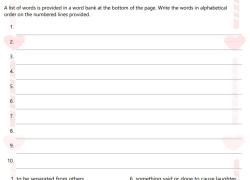
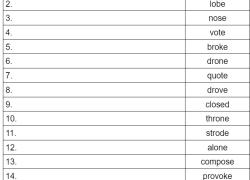
Students will alphabetize ten 'o_e' spelling pattern words. Using an item bank and clues, they correctly order each word, strengthening alphabetical sequence and spelling.
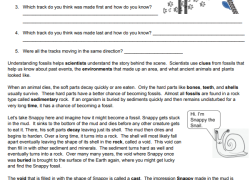
Students will observe ancient tracks, create mold fossils, and classify prehistoric teeth. They will learn about fossil formation, analyze evidence, and develop paleontology and critical thinking skills.
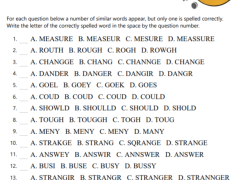
Engage students in a spelling activity where they choose the correct word from four options. It includes 20 words from 3rd Grade Saxon Phonics Lesson 6.
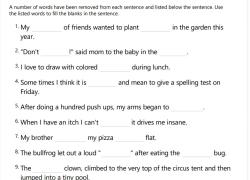
Students practice writing 'cr' blend words. They complete 10 sentences by selecting and placing the most appropriate 'cr' words into the provided spaces.
Examine how students perceive teacher assessments through this comical satire. It humorously explores common student beliefs about grading, sparking reflection on classroom practices.
Help students grasp the immense scale of the universe. They will compare celestial object sizes and distances, developing strong spatial reasoning and understanding their place within the cosmos.
Engage students with a powerful narration of the Declaration of Independence performed by acclaimed Hollywood actors. Foster a deeper understanding of this foundational American document.
Students uncover why certain objects *feel* colder than others, even at the same temperature. They observe and predict heat transfer in materials, including a compelling ice-melting experiment demonstrating thermal condu
Help students master the 'o' consonant 'e' spelling pattern. They will review words, take a focused test, self-grade, and practice missed words to solidify their understanding.
Students will trace energy and matter movement through food chains, learning about producers, consumers, and apex predators. Key concepts like the ten percent rule are clearly explained.