Engage students in the meticulous process of fossil excavation and preparation. They will learn how ancient relics journey from discovery in rock to museum exhibition.
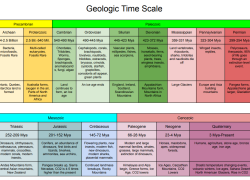
Guide students to explore Earth's geologic history from Precambrian to Cenozoic. They will learn about ancient creatures and landforms through a captivating, color-coded visual timeline.
Students will learn about diverse fossil types, from trace to body fossils. They will discover their unique characteristics, formation processes, and significance in understanding Earth's past.
Engage students with a side-splitting video parody showing a calamitous weather forecast. Students will explore humor and unexpected outcomes, sparking discussion and observation skills.
Your students will explore how silica, oxygen, and light create transparent glass. Engaging animations reveal the science behind this common, clear material.
Students will learn the theory of plate tectonics through an engaging video. They will understand key scientific terms and Earth's dynamic plate movements with clear visuals.
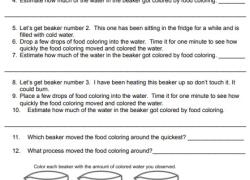
Students will explore convection, discovering how the sun's energy warms air and land, causing heat to transfer through rising warm air and sinking cool air.
Guide students as they explore the sun's daily journey, light, and warmth. A hands-on experiment lets them simulate sunrise and sunset, deepening their understanding.
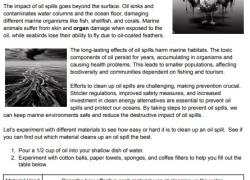
Engage students in exploring oil spill realities and their environmental harm. They'll conduct experiments to compare cleanup methods, deepening their understanding of ocean protection efforts.
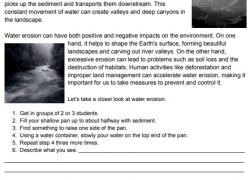
Students will read about and then explore water erosion through hands-on simulations. They'll observe how water shapes landscapes and analyze its diverse environmental impact.