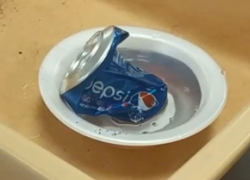
Students explore atmospheric pressure by crushing a can and calculating the powerful force of surrounding air. They learn about psia, elevation, and apply math to explain scientific observations.
Students explore Earth's age through an engaging animated video. They will learn radioactive dating methods like uranium and zirconium, and understand geologists' techniques for relative age dating.
Engage students with a dynamic convection currents model and demonstration. They will visualize air movement, applying understanding to water convection, volcanoes, and Earth's mantle.
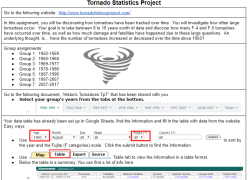
Your students will collect and graph tornado data, investigating historical trends, geographic patterns, and discussing their climate implications. They'll build spreadsheet skills.
Your students will explore wind generation mechanisms, understanding low and high-pressure systems. They will demystify atmospheric forces, gaining comprehensive knowledge about wind.
Introduce or review the four seasons with an engaging Sesame Street video. Students will learn about each season's unique characteristics and natural changes with beloved characters.
Help students understand cloud composition, how they form, and various types. They'll also explore cloud study history and the physics of why clouds float.
Guide students to discern diverse cloud types by analyzing 10 captivating images. They will learn distinct cloud formations and become professional weather cloud identifiers.

Students will learn about the specific physical damages and mental repercussions humans face after being struck by lightning, understanding its profound impact.
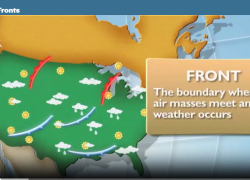
Students will investigate air masses and weather fronts, learning to distinguish between cold and warm types. They also gain important cloud vocabulary.
Students will discover how air pressure generates wind and learn essential vocabulary. They'll grasp key terms like barometer, convection, and Coriolis Effect, understanding fundamental weather concepts.
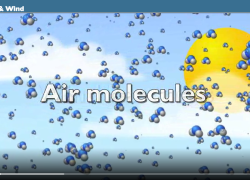
Students learn air pressure basics and discover how heavy air impacts them. This animation clarifies why air's weight doesn't crush us, making complex scientific ideas accessible.